A student centered classroom allows you to create an environment where the support and achievement is high and the class practically runs itself. Think it sounds too good to be true? It’s not! And I want YOU to experience the amazing, beautiful way your classroom should be designed – and that’s centered around your students! You all will benefit greatly from this set-up AND you’ll never want to go back. So if you want your students to be strong independent learners while you are stress free and happy, let’s get into how to set this classroom up!

Step One: Foster Independence with a Student Centered Classroom
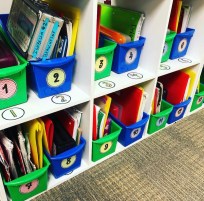
Start by setting up your classroom in a way that puts students in charge of their learning. A student-centered classroom almost runs itself, giving you time to facilitate and support your learners as they explore, practice, and grow independently. Organize your space with your students’ needs in mind. Create a functional, student-friendly environment where they can easily access books, supplies, and centers. Prioritize functionality first—then add those adorable Target decorations! If you’re unsure where to start, don’t worry. I can guide you through the process step by step. Learn more about creating a student-centered classroom setup HERE!



Step Two: Create a Climate of Kindness and Support
Building a positive, and supportive classroom climate helps ALL students thrive and grow. Lead with love and focus on relationships before content. I believe this is definitely a number one priority as an educator. Get to know your learners and as a class, begin to build a positive, kind, and healthy classroom community. This takes time, energy, and work. However, taking the time to do this at the beginning of the year will make for a classroom that works well together and helps lift each other up throughout the entire year. There are a number of ways to help build your community such as, engaging in team building activities, making a habit of hosting morning meetings and connection circles, and teaching various social and emotional skills. Start from day one and continue every day to ensure a strong, positive, and thriving classroom community.


Step Three: Go Slow to Go Fast in a Student Centered Classroom
Take it slow at the beginning of the school year and dedicate six full weeks to teaching your students routines and procedures. Yes, six weeks may sound like a lot, but it’s the secret to a well-oiled, student-centered classroom that almost runs itself. I dive into this in my Building a Student Centered Course —it’s truly the key to setting yourself up for success.


Spending this time upfront helps your students understand expectations and allows instruction to flow smoothly. Whether it’s carpet time, hallway transitions, or bathroom procedures, thoroughly teaching these foundational routines is essential. Looking for detailed guidance? Check out this blog post HERE for specific tips on teaching routines and procedures. Plus, use the Back to School Teaching Timeline Checklist to create an intentional, foolproof plan. Grab it FREE by subscribing below!!

Step Four: Implement a Workshop Model
A workshop model helps meet the needs of ALL students so of course it’s part of a student centered classroom! It is an amazing combination of hands-on learning activities and direct instruction. It embodies differentiation and student choice and children stay engaged and learning. There are many different ways to implement a workshop model, but it generally consists of direct instruction in the form of a mini lesson, followed up with ample time for practice in a student centered setting. The workshop is ended with a ‘debriefing’ that includes a recap and reflection on student learning. It is no secret that students thrive when they are able to make choices. It is also no secret that teachers have to differentiate because each student comes with their own needs. This workshop model allows for both of these to happen simultaneously.
Another great reason to implement this model is because it supports a deeper understanding of concepts. The purpose of the mini lesson is to bridge learning from previous lessons, discuss learning targets, and the skills that are being taught. The beautiful thing about a guided workshop is that it is FLEXIBLE. You can set it up however you like that works for you and your students. Think of your workshop as a literal “shop” of “work” where students can explore and engage in activities that are aligned to the skill being taught. You, as the facilitator, will set up activities for students to engage independently, while you can observe and step in to guide or help as needed. It is a GAMECHANGER for student achievement.



Step Five: Have Fun in Your Student Centered Classroom
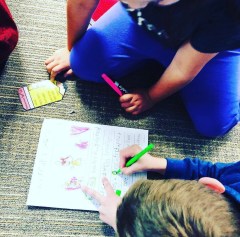
Don’t ever underestimate the power of being silly and making the most of your time with students. Get creative in your engagement strategies, allow students to freely be them and make them feel comfortable bringing their own creativeness to the table. Make learning an overall marvelous time! Teaching is full of many challenges, lessons, and yes even tears…so make the most of it and have FUN with your students. You will only have this group of students one time so make the best of it! Be silly, laugh, and enjoy your year.


To follow me on TPT and get all the latest updates on HALF OFF new products, click HERE!

Love these ideas but don’t want to lose them? Don’t forget it, PIN it below!

Leave a Reply